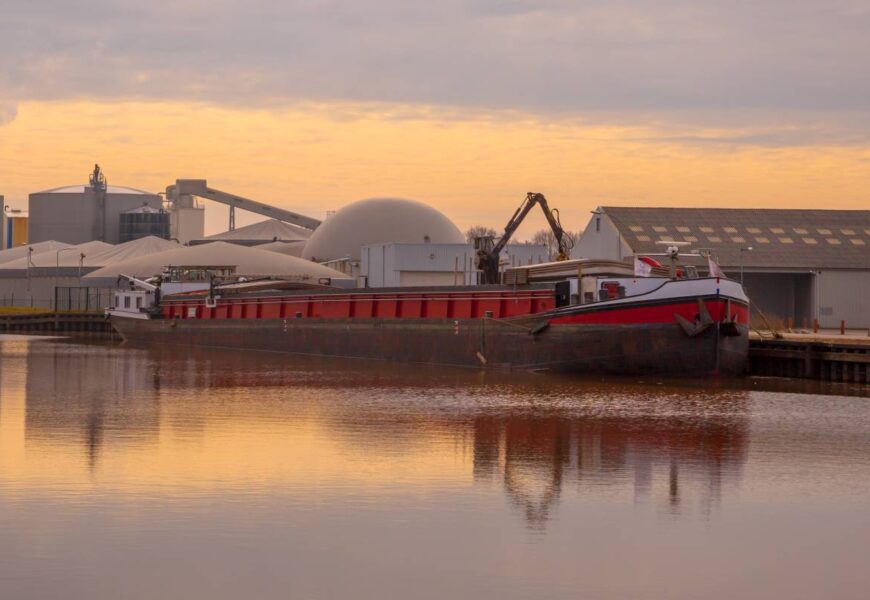
Boat transport in Australia is essential because it connects coastal cities, islands, and remote communities where roads and rail cannot. It supports international and domestic trade, provides passenger travel through ferries and water taxis, and ensures reliable access to essential services for isolated regions, strengthening both the economy and social inclusion.
Why This Topic Matters
Australia is vast, isolated, and surrounded by water—yet many people underestimate how critical boat transport is to keeping the country moving.
Without boats, ports would stall, island communities would be cut off, tourism would collapse in coastal regions, and essential supplies would struggle to reach remote areas. Roads and air transport alone simply cannot cover Australia’s geographic realities.
Understanding why boat transport matters reveals how it supports trade, travel, and remote access—and why it remains one of Australia’s most strategic transport systems.
Table of Contents
- How Boat Transport Supports Trade in Australia
- Passenger Boat Transport and Everyday Travel
- Boat Transport and Access to Remote Communities
- Economic and Social Benefits of Boat Transport
- Environmental and Policy Considerations
- What This Means for Businesses and Communities
- Conclusion
- FAQs
How Boat Transport Supports Trade in Australia

Australia relies heavily on maritime transport for its economy. With over 85% of international trade by volume moved by sea, boats form the backbone of exports and imports.
Coastal Shipping and Freight Movement
Domestic coastal shipping moves:
- Fuel and energy resources
- Agricultural products
- Construction materials
- Consumer goods
Boats offer lower cost per tonne, higher fuel efficiency, and reduced congestion compared to road freight over long distances.
Ports as Economic Gateways
Major ports such as Sydney, Melbourne, Brisbane, and Fremantle connect Australia to global markets. These ports enable:
- Faster access to international buyers
- Stable supply chains
- Competitive export pricing
Key takeaway: Without boat transport, Australia’s trade economy would slow dramatically and become more expensive.
Passenger Boat Transport and Everyday Travel
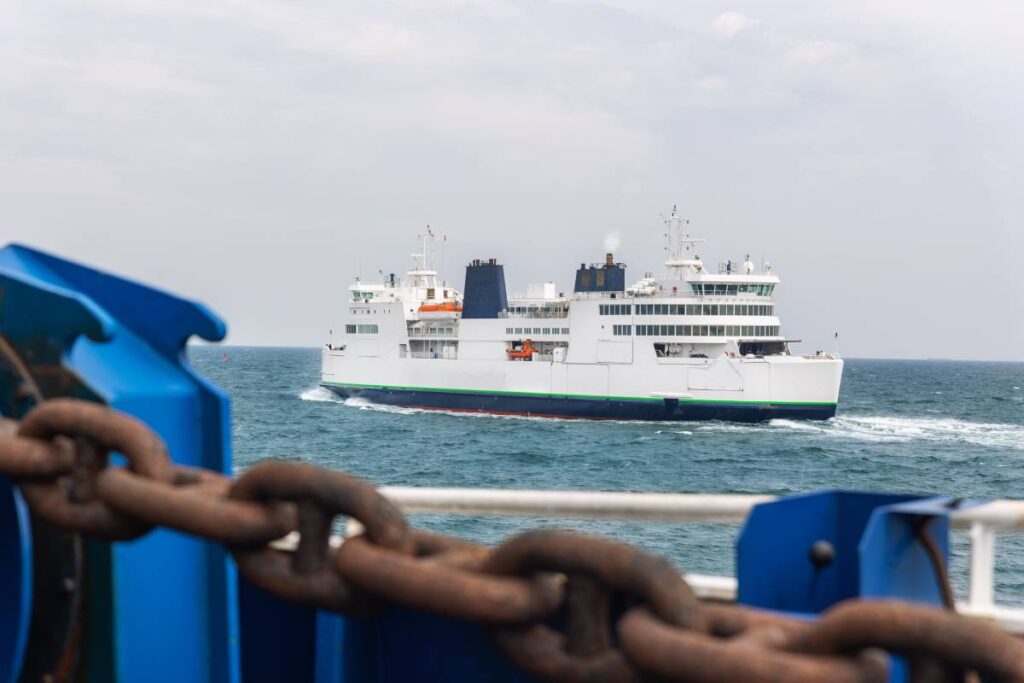
Boat transport isn’t just about cargo—it’s also a vital part of daily life.
Urban Ferries and Commuter Services
In cities like Sydney and Brisbane, ferries:
- Reduce road congestion
- Offer reliable travel times
- Provide environmentally efficient transport
For many commuters, ferries are not a luxury but a necessity.
Tourism and Regional Travel
Boat transport supports:
- Island tourism
- Coastal sightseeing
- Whale watching and reef access
It also plays an important supporting role when towing boats interstate, allowing recreational boat owners and tourism operators to safely relocate vessels for seasonal use, events, or commercial operations across Australia.
Why this matters: Passenger boats support local economies and create jobs across coastal regions.
Boat Transport and Access to Remote Communities

Australia has hundreds of islands and remote coastal communities that depend on boat transport.
Essential Supplies and Services
Boats deliver:
- Food and fuel
- Medical equipment
- Building materials
In many cases, boats are the only reliable transport option, especially during wet seasons when roads become inaccessible.
Supporting Indigenous and Island Communities
Marine transport ensures:
- Social inclusion
- Access to education and healthcare
- Continuity of cultural and economic activity
Critical role: Boats maintain lifelines where no alternative infrastructure exists.
Economic and Social Benefits of Boat Transport
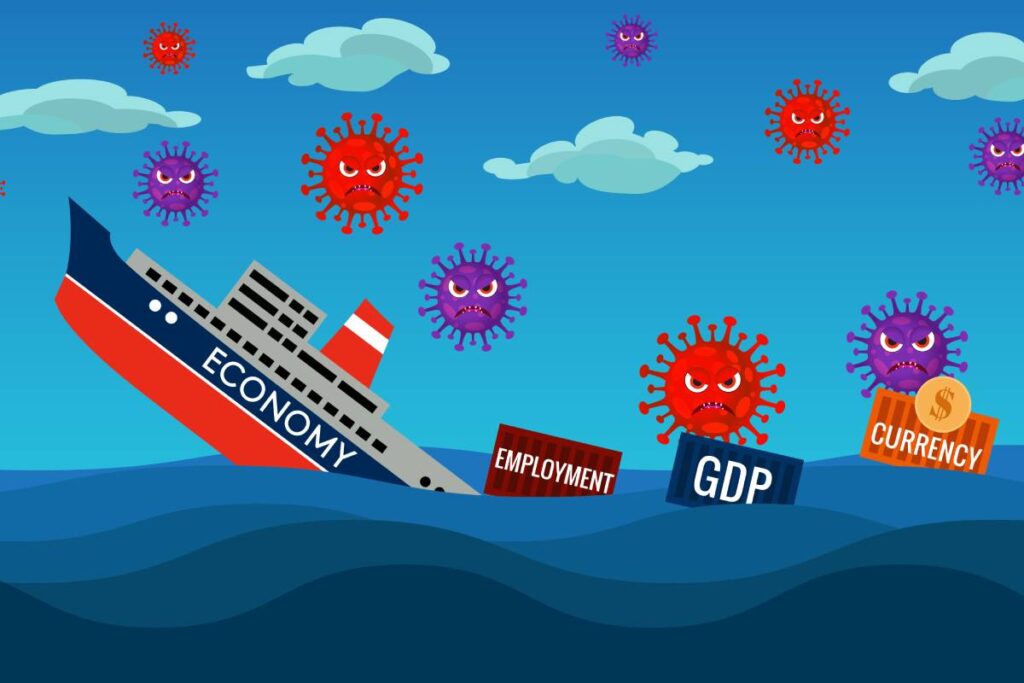
Boat transport provides wide-reaching benefits beyond logistics.
Economic Advantages
- Lower transportation costs
- Job creation in ports and shipyards
- Increased regional development
Social and Community Impact
- Improved mobility
- Greater access to services
- Reduced isolation
Bottom line: Boat transport supports national resilience and long-term sustainability.
Environmental and Policy Considerations
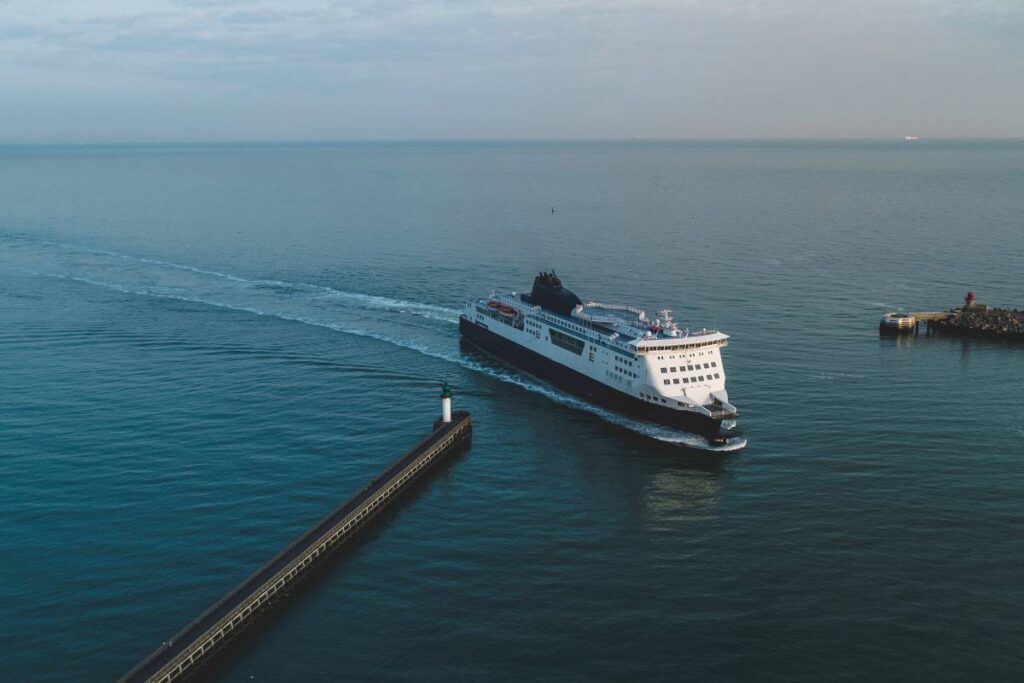
Environmental Efficiency
Marine transport produces:
- Lower emissions per tonne-kilometre
- Reduced land use impact
In thinking about the environmental impact of Australia’s transport networks, it’s helpful to consider how emissions reduction strategies apply across modes of transport — from diesel vehicles to marine engines. For example, understanding how additives like AdBlue work to reduce nitrogen oxide emissions can offer insight into broader efforts to clean up freight and passenger transport systems in Australia.
Policy and Regulation
Government investment focuses on:
- Safer vessels
- Cleaner fuels
- Modern port infrastructure
Balancing economic growth with environmental responsibility remains a key priority.
What This Means for Businesses and Communities

If you’re involved in logistics, tourism, or regional development:
- Boat transport offers cost-effective solutions
- It improves supply chain reliability
- It opens access to new markets
For communities, it means:
- Better connectivity
- Stronger local economies
- Improved quality of life
Action step: Businesses and planners should integrate marine transport into long-term strategies.
Conclusion: Why Boat Transport Will Always Matter in Australia
Boat transport is not optional in Australia—it’s essential. From global trade and daily commuting to remote community access, boats keep the nation connected and competitive.
As Australia continues to grow, investing in efficient, sustainable marine transport will shape its economic and social future.
Final thought: How would your community function if boats suddenly disappeared?
Frequently Asked Questions (FAQs)
What is boat transport mainly used for in Australia?
Boat transport is mainly used for moving freight, supporting passenger travel, and providing access to remote and island communities.
Why is boat transport better than road transport in some cases?
Boats can move large volumes at lower cost and with less environmental impact over long distances.
Are ferries important in Australian cities?
Yes. Ferries reduce congestion, improve commute reliability, and support tourism in coastal cities.
How does boat transport help remote communities?
It delivers essential supplies, healthcare access, and economic opportunities where roads and air transport are limited.
Is boat transport environmentally friendly?
Compared to road freight, marine transport generally has lower emissions per tonne moved, especially when modern vessels are used.